Climate change is one of the greatest challenges of our time, driven by human-induced global warming due to greenhouse gas (GHG) emissions. Rising temperatures, extreme weather events, sea-level rise, and ecosystem disruptions are already affecting nations worldwide. As a low-lying, arid country with an economy heavily reliant on hydrocarbons, Qatar faces unique climate challenges that require immediate attention and action.
The Qatar Climate Change Knowledge Portal serves as a central hub for information, research, policies, and initiatives aimed at addressing climate change. It provides stakeholders—government agencies, businesses, researchers, and the public—with the knowledge and tools needed to contribute to a sustainable and resilient future.
To become a leading platform for knowledge exchange, critical dialogue, and collaborative action on climate change, with a special focus on the Middle East and other climate-vulnerable regions through bridging science, policy, and community to drive sustainable transformation.
The Climate Change Knowledge Portal aims to curate, generate, and disseminate high-quality, interdisciplinary knowledge on the causes, impacts, and responses to climate change. It seeks to connect researchers, practitioners, policymakers, and activists in order to inform decision-making, inspire action, and support evidence-based solutions that promote environmental resilience, social justice, and sustainability.
Facilitate the exchange of research, data, case studies, and practical experiences related to climate change, especially in the context of food and water security, socio-political stability, and regional
Highlight climate change challenges and innovations in the Middle East and similar high-risk regions, emphasizing local solutions and culturally relevant approaches.
Promote collaboration across scientific, policy, academic, and grassroots communities to foster integrated and innovative responses to climate change.
Support education, training, and awareness-raising initiatives aimed at empowering stakeholders—especially youth and marginalized communities—to engage in climate action.
Provide actionable insights and policy-relevant knowledge to inform climate governance, adaptation planning, and sustainable development strategies at local, national, and regional levels.
Amplify underrepresented voices in climate discourse, including those of frontline communities, Indigenous peoples, and young leaders, to ensure inclusive and equitable climate narratives.
Climate change refers to long-term alterations in temperature, precipitation patterns, sea levels, and extreme weather events caused primarily by human activities. The burning of fossil fuels, deforestation, and unsustainable land use have dramatically increased greenhouse gas (GHG) concentrations in the atmosphere—particularly carbon dioxide (CO₂), methane (CH₄), and nitrous oxide (N₂O). These gases trap heat, intensifying the natural greenhouse effect and leading to global warming.
The impacts of climate change are already being felt across the globe: rising sea levels, prolonged droughts, more frequent and intense storms, biodiversity loss, and shifting agricultural productivity. In vulnerable regions such as the Middle East, climate change exacerbates existing stressors—particularly in the areas of water scarcity, food security, and public health—posing significant threats to environmental and human security.
Addressing climate change requires urgent global cooperation, ambitious emission reduction targets, and locally grounded adaptation strategies. It is both a scientific and societal challenge that demands integrated responses across disciplines and sectors.
-
Image
-
Image
Pellentesque phasellus elit feugiat elit sit fusce sit ornare. Blandit accumsan a dictumst facilisis present. Morbi aliquet tellus lectus mi ut nisi faucibus pellentesque. Nisl hendrerit nunc in turpis tincidunt congue vel.
-
Image
-
Image
-
Image
-
Image
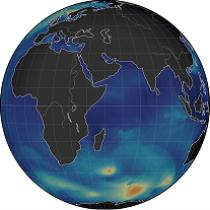
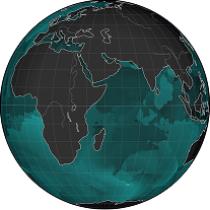
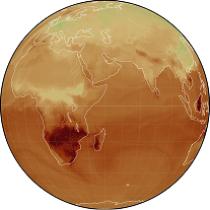
Global climate agreements represent key milestones in the international response to climate change. From the foundational UNFCCC to the binding targets of the Kyoto Protocol and the collaborative ambition of the Paris Agreement, these treaties reflect the evolving commitment of nations to limit global warming, support vulnerable countries, and promote sustainable.
United Nations Framework Convention on Climate Change (UNFCCC)
The United Nations Framework Convention on Climate Change (UNFCCC) is an international environmental treaty adopted at the Earth Summit in Rio de Janeiro in 1992. It was created to address the growing threat of climate change and to promote international cooperation to limit global warming and its adverse effects. The UNFCCC’s primary objective is to stabilize greenhouse gas concentrations in the atmosphere at a level that would prevent dangerous interference with the climate system.
The treaty recognizes that developed countries are primarily responsible for the current high levels of greenhouse gas emissions due to their long history of industrial activity. Therefore, it places a greater obligation on these nations to take the lead in reducing emissions and providing support to developing countries through finance, technology transfer, and capacity-building.
The UNFCCC is not legally binding in terms of specific emission targets but provides a framework for negotiating future agreements, including the Kyoto Protocol (1997) and the Paris Agreement (2015). All parties to the UNFCCC meet annually at the Conference of the Parties (COP) to assess progress and make new commitments.
With nearly universal membership, the UNFCCC serves as the foundational platform for global climate negotiations and efforts to tackle climate change collectively.
Kyoto Protocol
The Kyoto Protocol was adopted on 11 December 1997. Owing to a complex ratification process, it entered into force on 16 February 2005. Currently, there are 192 Parties to the Kyoto Protocol.
In short, the Kyoto Protocol operationalizes the United Nations Framework Convention on Climate Change by committing industrialized countries and economies in transition to limit and reduce greenhouse gases (GHG) emissions in accordance with agreed individual targets. The Convention itself only asks those countries to adopt policies and measures on mitigation and to report periodically.
The Kyoto Protocol is based on the principles and provisions of the Convention and follows its annex-based structure. It only binds developed countries and places a heavier burden on them under the principle of “common but differentiated responsibility and respective capabilities”, because it recognizes that they are largely responsible for the current high levels of GHG emissions in the atmosphere.
Several leading organizations play a crucial role in global climate efforts by advancing science, shaping policy, and promoting sustainability. From UN bodies like the IPCC, WMO, and UNEP to influential networks and research institutions such as CAN, WRI, and IUCN, these organizations drive collaboration, support climate action, and help protect both people and the planet.
-
Image
Intergovernmental Panel on Climate Change (IPCC)
The Intergovernmental Panel on Climate Change (IPCC) is the United Nations body for assessing the science related to climate change. The World Meteorological Organization (WMO) and the United Nations Environment Programme (UNEP) set up the IPCC in 1988.
The IPCC was created to provide policymakers with regular scientific assessments on climate change, its implications and potential future risks, as well as to put forward adaptation and mitigation options. The IPCC informs governments about the state of knowledge of climate change. It does this by examining all the relevant scientific literature on the subject. This includes the natural, economic and social impacts and risks.
-
Image
-
Image
-
Image
-
Image
-
Image